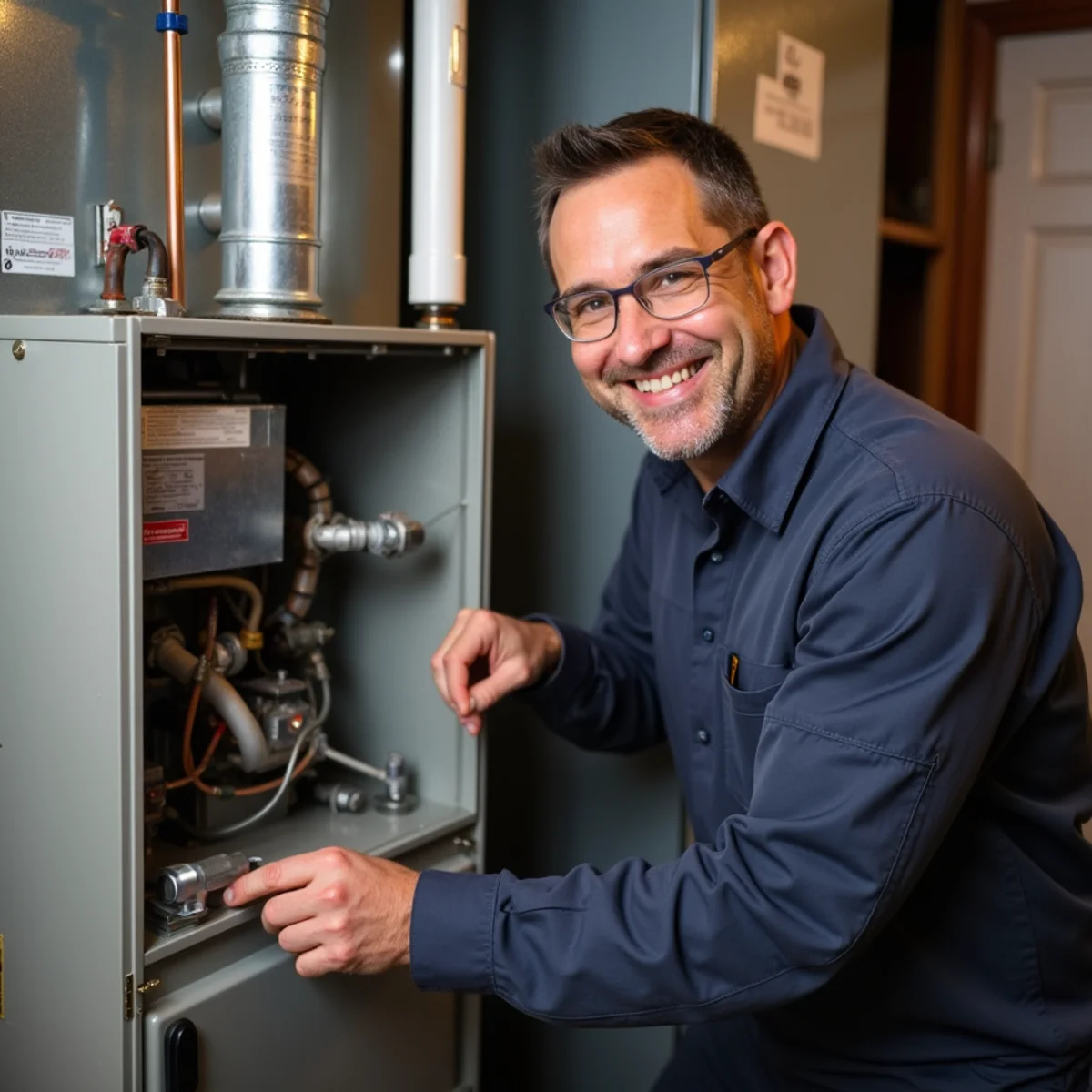
A furnace that fires up and then shuts down before the house warms is short-cycling, and on a cold Orange County night it can leave you without reliable heat. These are the six causes we track down most often.
It's ten degrees out, the furnace roars to life, and ninety seconds later it goes quiet again. A minute passes, it fires once more, and quits. That stop-start pattern is called short-cycling, and it's frustrating for one simple reason: the furnace is running but the house never gets warm, while your energy bill climbs and the equipment wears out faster with every failed start.
Short-cycling is a symptom, not a diagnosis. A furnace shuts itself down mid-cycle because a safety device told it to, and the job is figuring out which one and why. Here are the six causes we chase down most often in Newburgh and across Orange County, roughly in the order we check them.
1. A clogged air filter
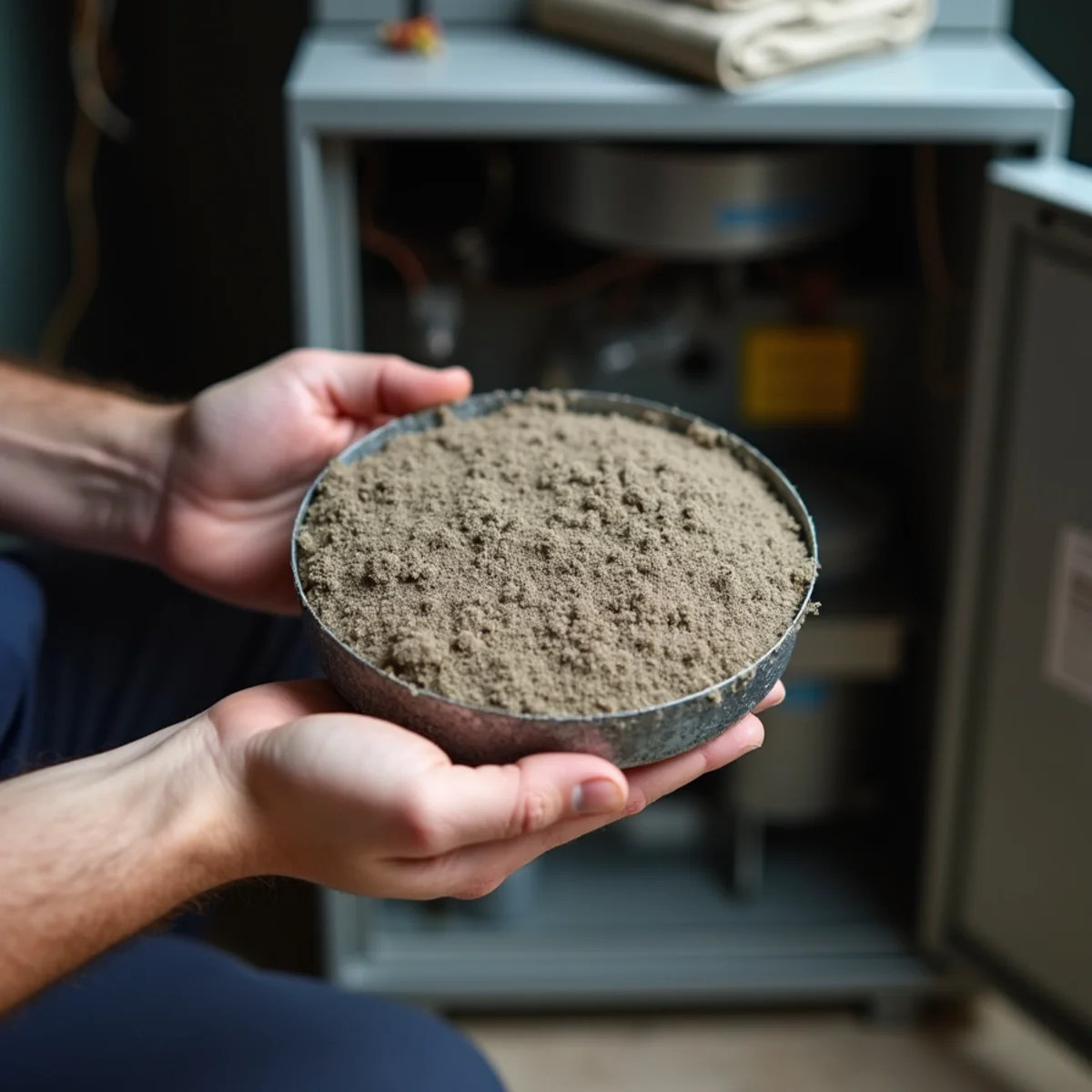
This is the first thing to rule out and the easiest to fix. A filter packed with dust chokes airflow across the heat exchanger, heat builds up, and the high-limit switch shuts the burners off to prevent damage. The blower keeps running, the furnace cools, and the cycle repeats. If you can't remember the last time you changed the filter, pull it out and hold it to the light. If you can't see through it, replace it — a one-inch filter in a Newburgh winter often needs changing monthly.
2. A dirty or misaligned flame sensor
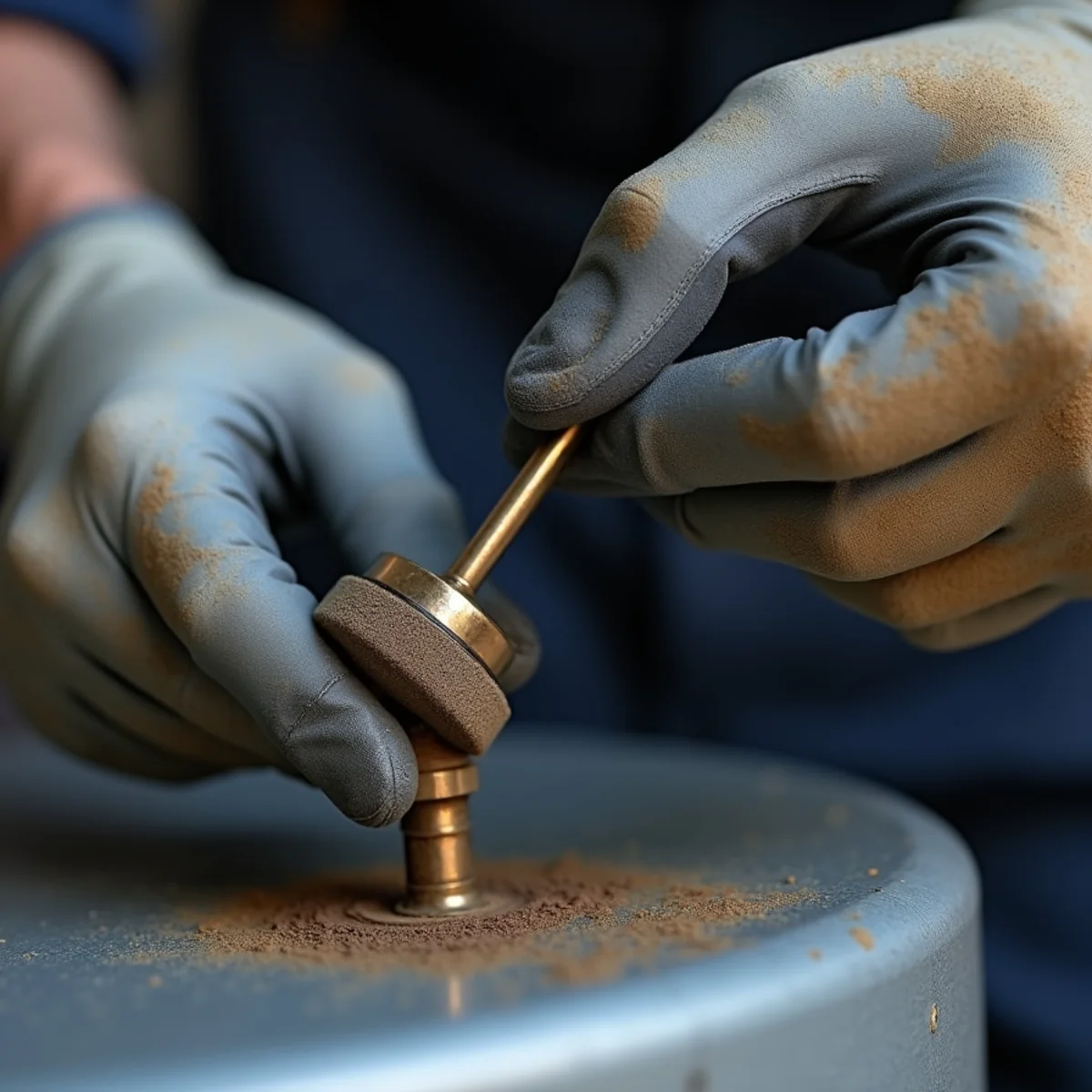
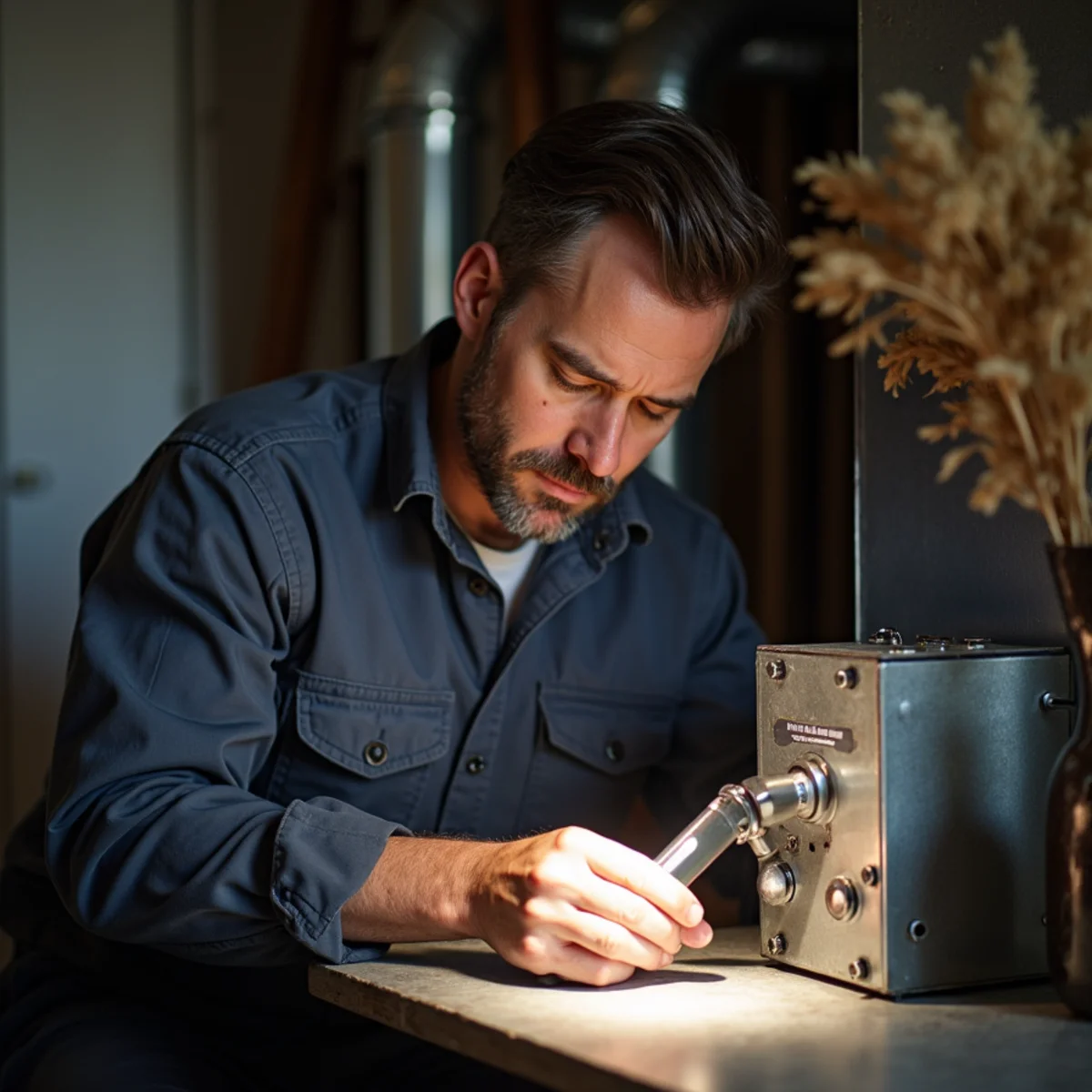
The flame sensor is a thin metal rod that confirms the burner actually lit. When it gets coated in carbon buildup, it can't "see" the flame, so the control board assumes ignition failed and shuts off the gas as a safety measure — usually within a few seconds of the burners lighting. A furnace that lights and then dies almost immediately, over and over, is the classic flame-sensor signature. Cleaning it is routine service work, and it's one of the most common repairs we make all winter.
3. An overheating heat exchanger
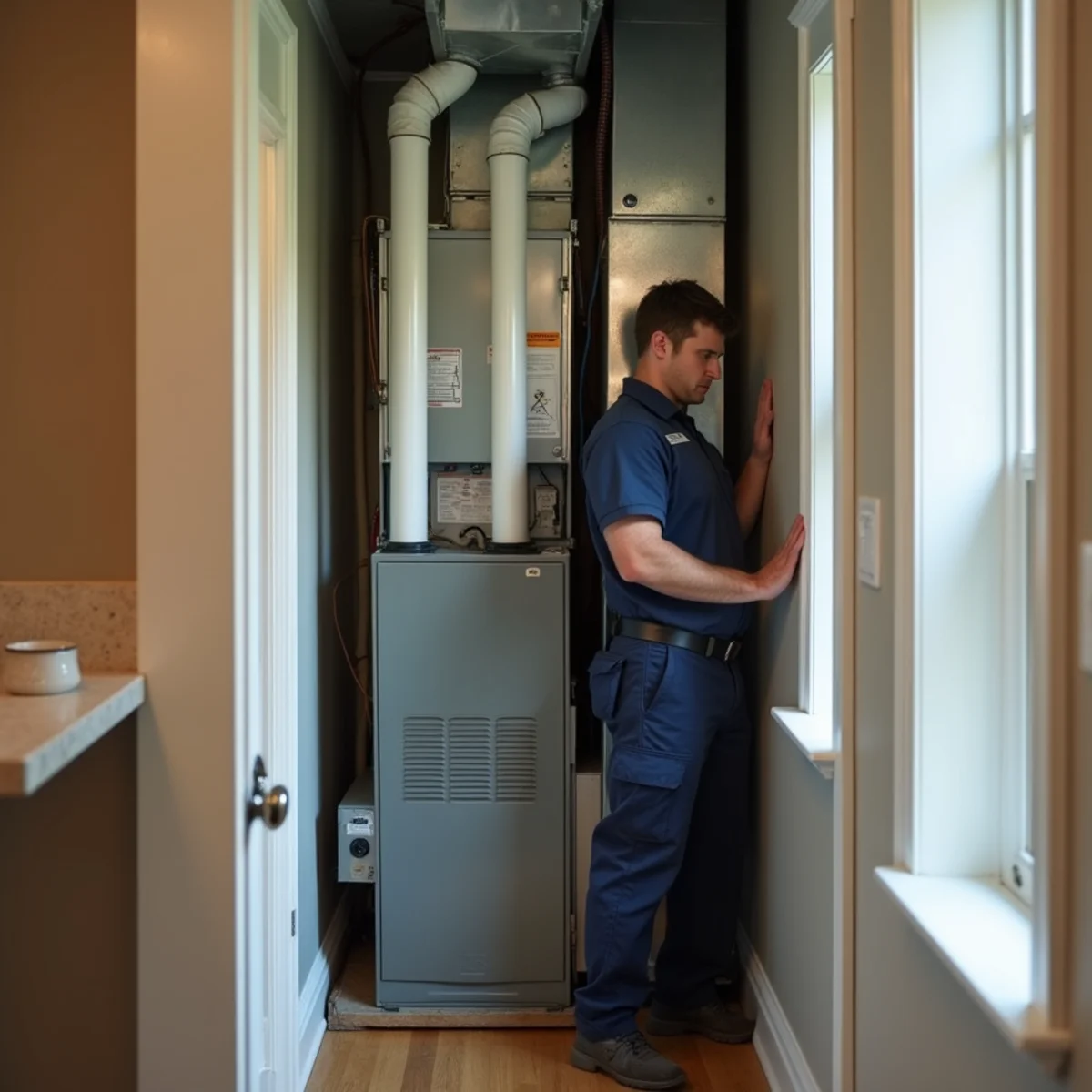
Restricted airflow from more than just the filter — a blocked return, closed supply registers, a failing blower motor — lets the heat exchanger run too hot and trips the high-limit switch. Chronic overheating is hard on the heat exchanger itself, and a cracked heat exchanger is a carbon monoxide risk, so this is one cause we never treat casually.
A CO alarm plus short-cycling means stop
If your carbon monoxide detector sounds — or you feel headachy, dizzy, or nauseous when the furnace runs — shut the furnace off, open a window, get everyone outside, and call for emergency service. A cracked heat exchanger can leak carbon monoxide into your home, and it is not something to test yourself. Reach our emergency furnace repair line any hour.
4. A bad thermostat or its placement
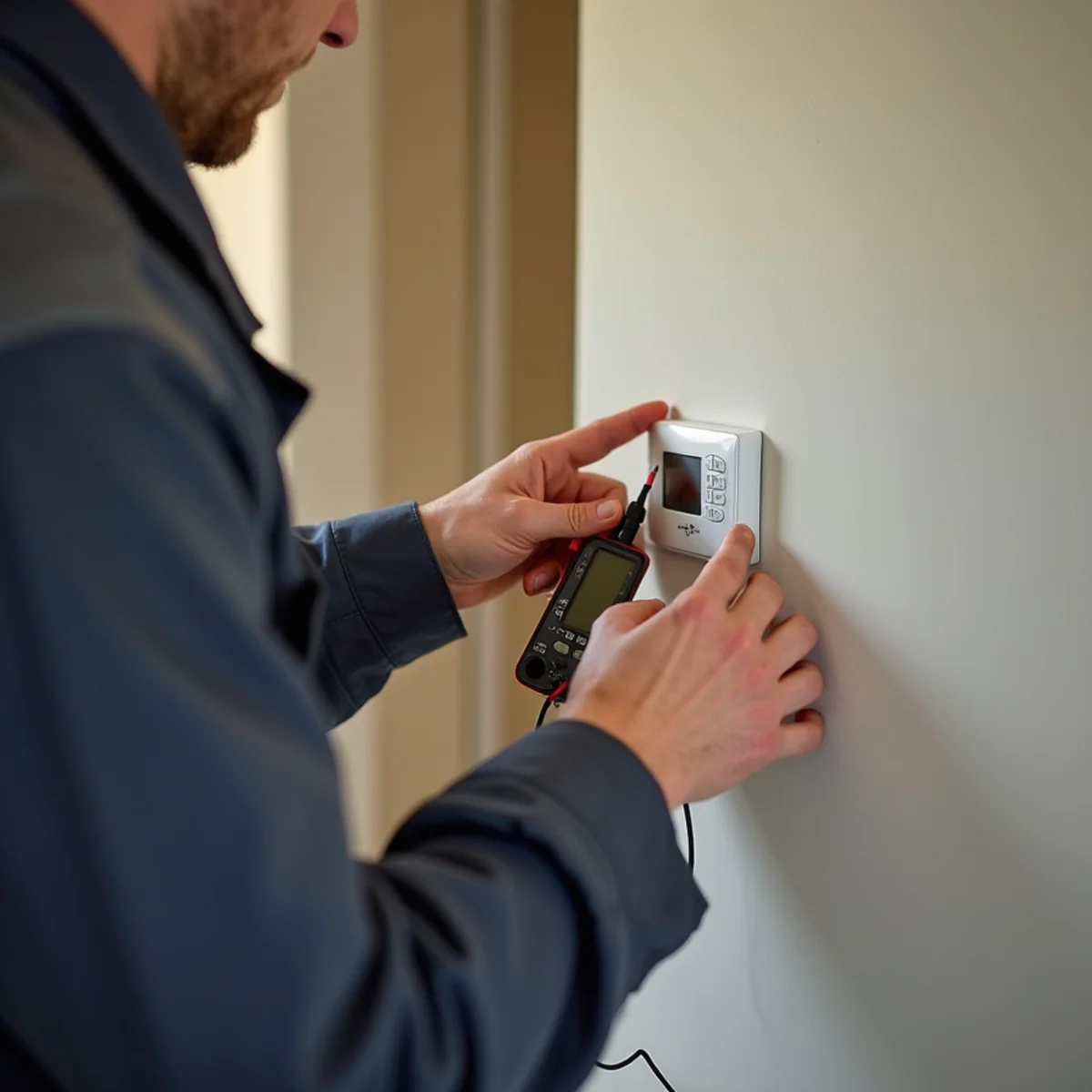
A thermostat with weak batteries, loose wiring, or a spot in direct sun or a draft can call for heat erratically, cutting cycles short. It's a cheaper cause than most, and worth ruling out early. Replace the batteries, confirm it's set to Heat, and make sure it isn't mounted next to a supply register that blows warm air straight at it and fools it into shutting off.
5. A blocked exhaust or condensate line
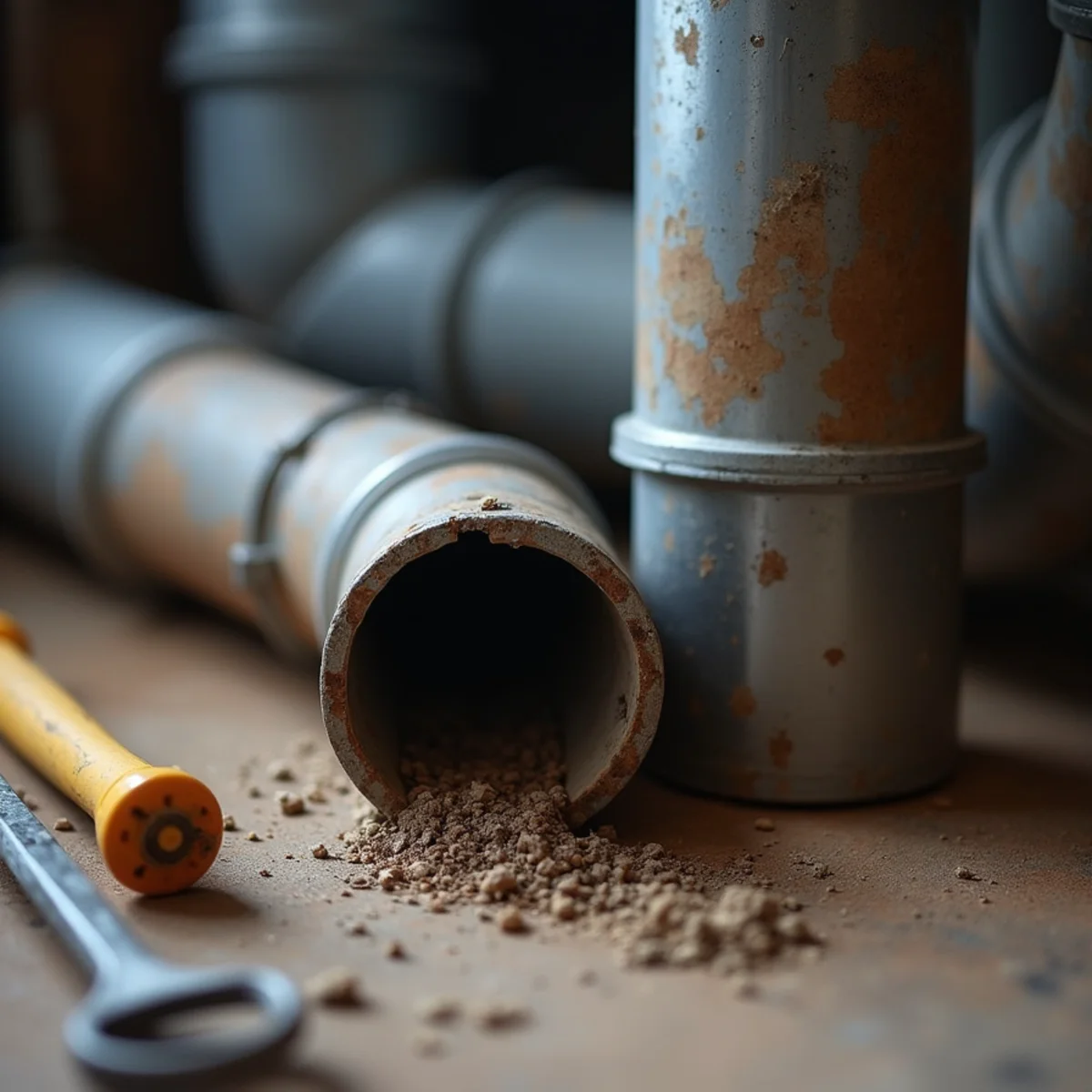
High-efficiency furnaces vent through PVC pipe and drain acidic condensate through a small line. In our winters, an exhaust vent can ice over or get blocked by snow drifted against the side of the house, and a pressure switch will shut the furnace down rather than run with bad venting. A clogged condensate line trips a float switch the same way. Check that the outside vent terminations aren't buried in snow after a storm.
6. An oversized furnace
Sometimes the furnace is simply too big for the house. It blasts the space to temperature so fast that it satisfies the thermostat and shuts off before it ever hits a steady rhythm, then fires again a few minutes later. This is a design problem, common in homes where a replacement furnace was sized by rule of thumb instead of an ACCA Manual J load calculation. You can't repair your way out of it — but you can avoid it on the next installation.
When to call for furnace repair
Change the filter, check the thermostat batteries, and clear snow off the outside vents — those three cover a real share of short-cycling calls. If the furnace still won't hold a cycle, especially if it's lighting and dying within seconds or you smell anything off, it's time for a technician. Our furnace repair crew carries flame sensors, limit switches, and pressure switches on the truck, so most short-cycling faults get diagnosed and fixed in a single visit.
We handle these calls throughout the season for families in Meadow Hill and the surrounding Town of Newburgh, where the mix of older and newer homes means we see every one of these six causes. A furnace that short-cycles now will usually fail outright on the coldest night if it's ignored — the same nights our phones ring nonstop. Getting ahead of it beats waiting for a no-heat emergency when the temperature bottoms out.
Need a hand from a local tech?
Call for same-day service across Newburgh and the Hudson Valley, or request a free written estimate.
HVAC Newburgh NY · 48 Carter St, Newburgh, NY 12550
Furnace short-cycling: quick diagnostic reference
| What you notice | Likely cause | First check |
|---|---|---|
| Lights, then dies within seconds, over and over | Dirty or misaligned flame sensor | Have the sensor cleaned — routine service work |
| Runs a few minutes, blower keeps going, then restarts | Clogged filter overheating the limit switch | Replace the filter (a 1-inch filter often needs it monthly in winter) |
| Only short-cycles on the coldest nights | Snow-blocked exhaust or frozen condensate line | Clear the outdoor vent terminations after a storm |
| Erratic, random cycling | Weak thermostat batteries or bad placement | Replace batteries; move it off a register, sun, or draft |
| Heats the house fast, then quits, repeatedly | Oversized furnace | Right-size the next unit with a Manual J load calculation |
| Short-cycling with a CO alarm or a burning smell | Overheating or cracked heat exchanger | Shut it off, ventilate, and call for emergency service |
Step by step, in pictures
Frequently asked
For a day or two while you troubleshoot the filter and thermostat, usually yes. But if it's paired with a carbon monoxide alarm, a burning smell, or the furnace lighting and dying within seconds, shut it off and call for service. Short-cycling from an overheating heat exchanger can signal a dangerous crack.