
Newburgh's wave of new homeowners keeps buying character-filled older houses — and inheriting their aging heating and cooling. Here's the smart order to tackle the HVAC upgrades that come with them.
Newburgh has become one of the Hudson Valley's magnets for people leaving New York City — drawn by the architecture, the waterfront, the price of a house with real character compared to anything downstate. If you're one of them, welcome. And now the reality of an older home: along with the tin ceilings and the original woodwork, you've probably inherited a heating and cooling setup that's some mix of aging, patched-together, and unfamiliar. The good news is that these systems are almost always improvable. The trick is tackling them in the right order.
Start with an honest assessment
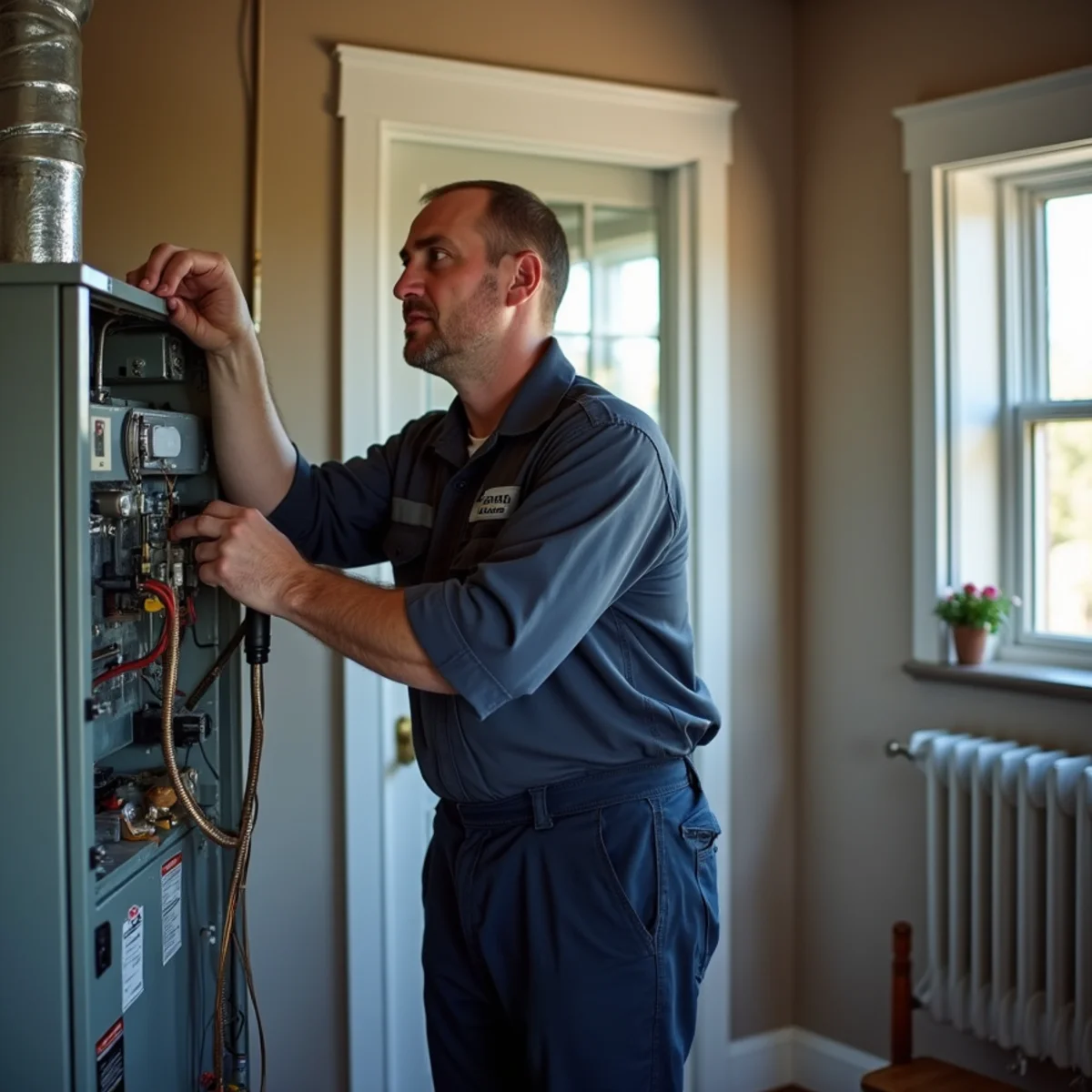
Before you spend a dollar on upgrades, get a clear picture of what you actually have. A home inspection touches the HVAC, but rarely in the depth a new owner needs. Have the heating and cooling systems evaluated properly: how old is the boiler or furnace, what fuel does it burn and at what cost, is there central AC or none, what condition is the ductwork or radiator system in, and are there safety concerns like an aging heat exchanger or a furnace that's been near basement water. That baseline tells you what's urgent, what's coming, and what you can live with. Our residential HVAC team does exactly this kind of whole-home assessment for new owners.
Prioritize by season and safety
In our climate, heating comes first. A house you buy in spring or summer feels fine, but Newburgh winters are unforgiving, and a heating system that limps through its first January is a miserable surprise. Here's the order we steer new owners toward:
- Anything unsafe — a cracked heat exchanger, carbon monoxide risk, or fuel leak gets fixed immediately, no matter the season
- Reliable winter heat — if the boiler or furnace is near the end of its life, plan the replacement before your first cold season, not during it
- Cooling and dehumidification — our humid summers make AC or mini-splits a close second, especially in homes with no existing cooling
- Efficiency and comfort — insulation, sealing, and system upgrades that cut bills and even out hot and cold rooms
- Air quality and the nice-to-haves — filtration, smart thermostats, and zoning once the essentials are handled
Book service in the off-season
The cheapest, easiest time to replace a furnace is a mild week in spring or fall — not the January morning it dies. If your inspection flags a heating system on its last legs, schedule the work before peak season. You'll have more options, more time to decide, and you won't be competing with every other no-heat call in the county.
The oil-to-gas or heat-pump decision
A lot of older Newburgh homes still run on oil heat, and new owners are often surprised by the cost and the tank in the basement or buried in the yard. Two common paths open up here: converting to natural gas where a line is available, or moving to heat pumps. Both can dramatically change your operating costs, and heat pumps in particular may qualify for incentives — though eligibility shifts, so verify current programs. If you're weighing it, our breakdown of oil-to-gas conversion costs in Orange County lays out the factors. There's no universal answer; it depends on your home, your fuel access, and how long you plan to stay.
The no-ductwork question
If your new home has radiators and no ducts — very common here — adding central air the conventional way is difficult and destructive. Most new owners in that situation end up with ductless mini-splits, which add cooling (and supplemental heating) without tearing into the house. It's the single most common cooling upgrade we install for relocators buying older homes, and it preserves the character that drew you here in the first place.
One caution for relocators used to a landlord handling everything: in an owned older home, the systems are now yours to plan around, and coasting on a mild first fall is the most common mistake we see. The furnace that seemed fine in September is often the one that quits in the first hard freeze — exactly when every heating contractor in the county is booked solid. Getting ahead of it is the entire point of doing an assessment early.
Get on a maintenance rhythm
Once the big decisions are made, the cheapest thing you can do to protect your investment is regular maintenance. An annual heating tune-up in the fall and a cooling check in the spring catch small problems before they become breakdowns and keep everything running efficiently. New owners who start this rhythm early rarely get the mid-winter no-heat call.
We work with new homeowners across the city, and especially in the revitalizing Downtown and Waterfront area, where so much of the recent buying activity has concentrated. If you've just landed in Newburgh and you're not sure what you've inherited, start with an assessment. Knowing exactly what you have — and what order to fix it in — turns an overwhelming old-house project into a manageable plan.
Need a hand from a local tech?
Call for same-day service across Newburgh and the Hudson Valley, or request a free written estimate.
HVAC Newburgh NY · 48 Carter St, Newburgh, NY 12550
New-owner HVAC walkthrough: what to check and the red flags
| System to check | What to look for | Red flag |
|---|---|---|
| Boiler or furnace | Age, fuel type, and running cost | 15-plus years old, a cracked heat exchanger, or signs it sat near basement water |
| Fuel source | Oil vs. gas vs. electric | A buried or basement oil tank; no gas line available for conversion |
| Cooling | Central AC, mini-splits, or none | No cooling and no ductwork heading into our humid summers |
| Ductwork or radiators | Condition, leaks, and balance | Leaky ducts, or uneven and banging radiators |
| Basement | Water history near the equipment | A flood line, rust, or staining on the furnace base |
| Thermostats and controls | Zoning and smart controls | A single zone struggling to heat multiple floors |
Frequently asked
Address anything unsafe immediately, then secure reliable winter heat before your first cold season, since Newburgh winters are unforgiving. Cooling or mini-splits come next, followed by efficiency improvements and air quality. Start with a proper whole-home assessment so you know what's urgent and what can wait.