
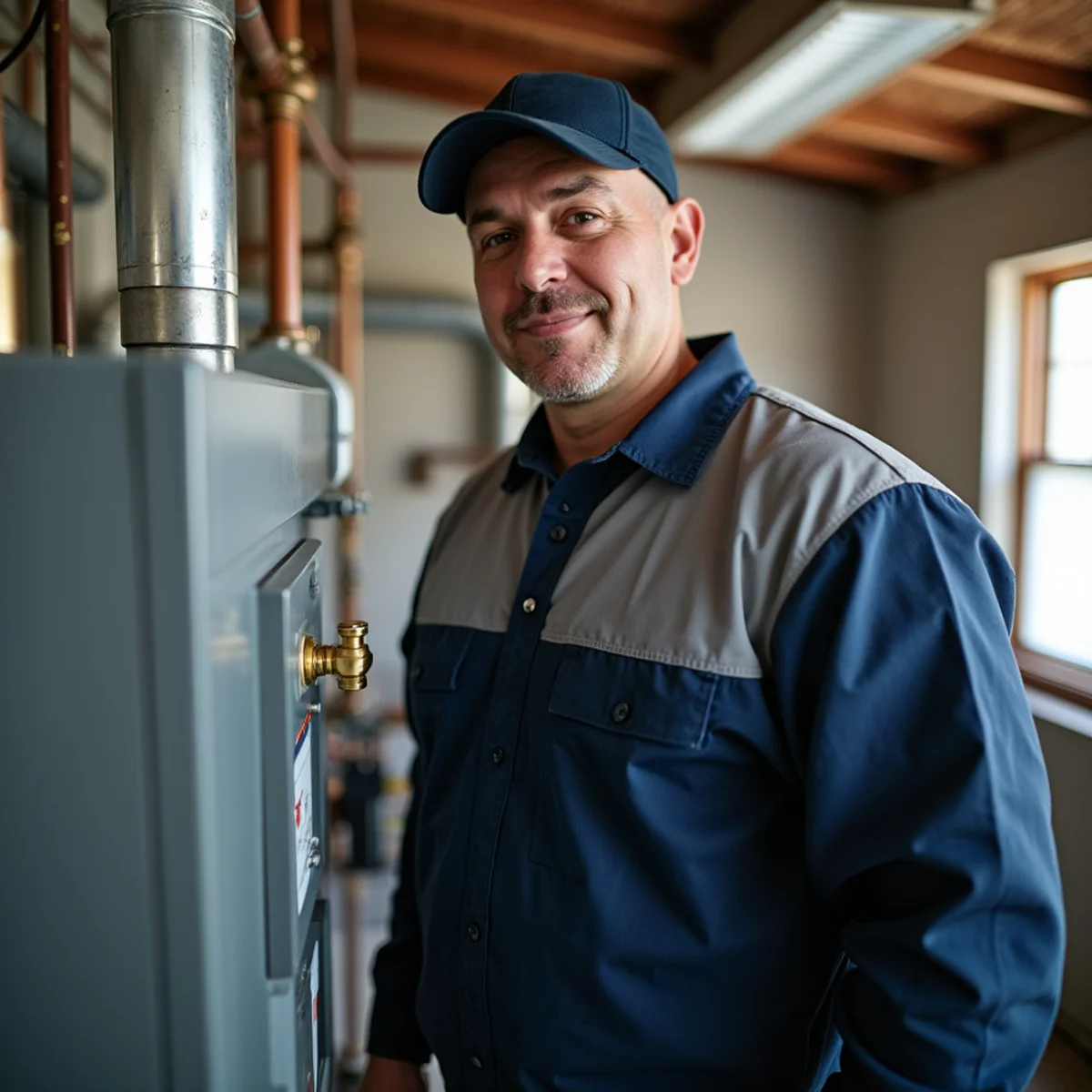
A shared boiler heats every unit in the building, which makes its safety and paperwork the owner's responsibility. Here are the compliance basics multi-family owners in the Newburgh area should know.
When a single boiler heats a whole building, it stops being an appliance and becomes life-safety infrastructure. That shift matters legally and practically: the owner is responsible for keeping it safe, inspected, and documented, and a failure can put every tenant in the building at risk at once. Multi-family owners from Newburgh out to Kiryas Joel ask me the same question every winter, which is what they actually have to do to stay compliant and safe. This is the plain-English version. It is a starting framework, not legal advice, and you should confirm current requirements with your local authority.
Verify current rules with your jurisdiction
Inspection intervals, permit rules, and code requirements change and vary by municipality. Treat this as a framework, then confirm the specifics with the City of Newburgh or your local code-enforcement office and your insurer. When in doubt, ask before the heating season, not after a violation.
Inspections and certificates
Commercial and multi-family boilers in New York are subject to periodic inspection requirements that do not apply to a single-family furnace. In general terms, higher-pressure and larger boilers face regular inspection cycles, and you are expected to keep the certificate and records available. The practical takeaways are consistent regardless of the exact interval.
- Know your inspection cycle and never let a certificate lapse. Put the renewal date on a calendar you actually watch.
- Keep inspection reports, permits, and service records organized and accessible for the building.
- Address any deficiencies noted in an inspection promptly and document the correction.
- Pull required permits for boiler replacements or major work rather than doing it off the books.
The safety controls that must work
Every commercial boiler has a set of safety devices whose entire job is to shut it down before something dangerous happens. On a shared building system, a failed safety control is not an inconvenience, it is a hazard multiplied by the number of units. A qualified technician should verify each one on a regular schedule.
- 1
Low-water cutoff
Shuts the boiler down if the water level drops too low, preventing a dangerous dry-fire. It must be tested on a set schedule and never bypassed.
- 2
Pressure-relief valve
Releases pressure before it reaches a dangerous level. It should be verified and never plugged, capped, or piped in a way that defeats it.
- 3
Pressure and temperature limits
Operating controls that keep the boiler within its safe range. Confirm they hold and that gauges read accurately.
- 4
Flue and venting integrity
Blocked or deteriorated venting can push combustion gases into the building. Inspect it and keep it clear.
Carbon monoxide detection is non-negotiable
A shared combustion boiler makes carbon monoxide detection one of the most important compliance items in the building. New York requires working CO detectors in residential occupancies, and in a multi-family building that means functioning detection covering the units and common areas as required. Test them, replace them on schedule, and log it. This is the failure mode that turns a mechanical problem into a tragedy, and it is entirely preventable.
Records protect you
Documentation is the part owners most often neglect and most regret. A clean record of inspections, safety-control tests, service visits, and CO-detector checks protects you with code enforcement, with your insurer after any incident, and with tenants. Keep it organized per building, with dates and the name of who performed each check.
Build it into a service agreement
The cleanest way to stay on top of all of this is a service agreement that puts the safety-control tests, seasonal service, and documentation on a schedule handled by one accountable vendor. Our commercial boiler and multi-unit HVAC team services multi-family systems across Newburgh and the surrounding towns like Kiryas Joel, and we leave you the documented reports that make compliance a paperwork exercise instead of a scramble. If a shared boiler fails outright in the cold, our emergency boiler repair crew treats a whole-building no-heat as the priority it is.
Tenant communication is part of compliance
A shared heating system only stays safe if problems get reported, and tenants are your early-warning network. Give every unit a simple way to report no heat, odd smells, or a sounding CO alarm, and make clear that combustion complaints get an immediate response. Post the heating emergency number in common areas. When a tenant smells something off in October, you want that call to reach you before it becomes a January incident. Responsiveness is not just good service, it is part of keeping a shared combustion system safe.
Plan for the failure you hope never comes
Because one boiler heats every unit, a single failure leaves the whole building cold at once, and that is a habitability emergency. Know in advance who you call, keep the boiler's model and parts information on file, and consider a service agreement that guarantees priority response. The buildings that weather a midwinter boiler failure best are the ones that decided how they would handle it in September, not the ones scrambling at 2 a.m. with a lobby full of cold tenants.
Keep your building safe and compliant
Put your multi-family boiler service, safety checks, and documentation on one schedule. Call HVAC Newburgh NY at +1 (327) 210-5999 for buildings across Newburgh and Kiryas Joel.
HVAC Newburgh NY · 48 Carter St, Newburgh, NY 12550
Multi-family boiler compliance checklist (verify specifics with your jurisdiction)
| Item | What owners are responsible for |
|---|---|
| Inspection certificate | Know your cycle, never let it lapse, keep records accessible |
| Low-water cutoff | Tested on a set schedule, never bypassed |
| Pressure-relief valve | Verified and never capped or defeated |
| CO detection | Working detectors for units and common areas, tested and logged |
| Records | Organized per building with dates and who performed each check |
Frequently asked
Yes. Commercial and multi-family boilers are subject to periodic inspection requirements that a single-family furnace is not, and you are expected to keep the certificate and records current. Intervals vary, so confirm the specifics with your local code-enforcement office.