
When the AC quits on a 90-degree, high-humidity Newburgh afternoon, the house turns swampy fast. Run these five checks before you pick up the phone.
Newburgh summers don't just get hot — they get sticky. With average humidity near 69 percent, a July afternoon in the low 90s feels like a wet blanket, and when the air conditioning dies, the house doesn't just warm up, it turns clammy within the hour. The upstairs bedrooms become unusable, and if anyone in the home is older, very young, or managing a health condition, indoor heat stops being a comfort issue and becomes a safety one.
Before you assume a big repair, run these five checks. Two of them fix the problem outright more often than you'd expect, and all five help a technician help you faster.
Step 1: Check the thermostat and the mode
Confirm the thermostat is set to COOL and the target is several degrees below the current room temperature. Replace the batteries if it's a battery model — a fading thermostat is a classic false alarm that sends people reaching for the phone before they need to. If the fan runs but no cold air comes out, make a note of that: it points the diagnosis in a different direction than a system that's completely dead and silent. The more detail you can give a technician about what is and isn't working, the faster the fix.
Step 2: Check the breakers — both of them
A central AC system usually has two breakers: one for the indoor air handler and one for the outdoor condenser. On a brutal-load afternoon, either can trip. Reset each one once. If a breaker trips again right away, stop resetting it — that's an electrical fault, and repeated resets can damage the compressor or start a fire.
A breaker that keeps tripping is a warning, not a nuisance
If the AC breaker trips immediately after a reset, leave it off and call a technician. It usually means a failing compressor or a shorted wire — pushing it can turn a repair into a full condenser replacement.
Step 3: Check the filter and the indoor coil
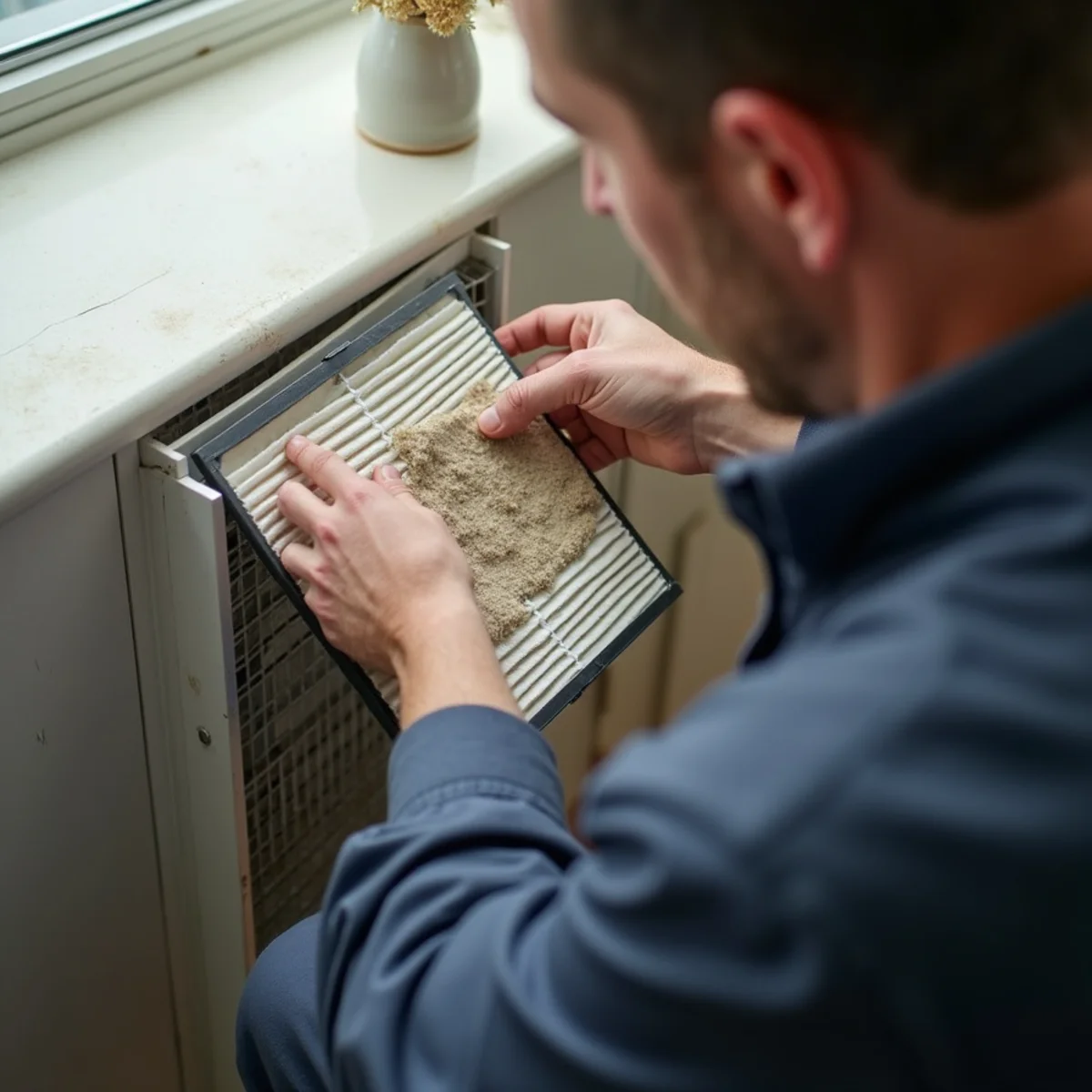
A filter clogged with summer dust chokes airflow across the indoor coil, and the coil can freeze into a block of ice. If you see frost or ice on the copper lines or the indoor unit, that's your answer: turn the system to OFF (fan ON is fine) and let it thaw for a few hours. Then replace the filter. Running a frozen system harder only makes it worse and can damage the compressor.
Step 4: Check the outdoor unit
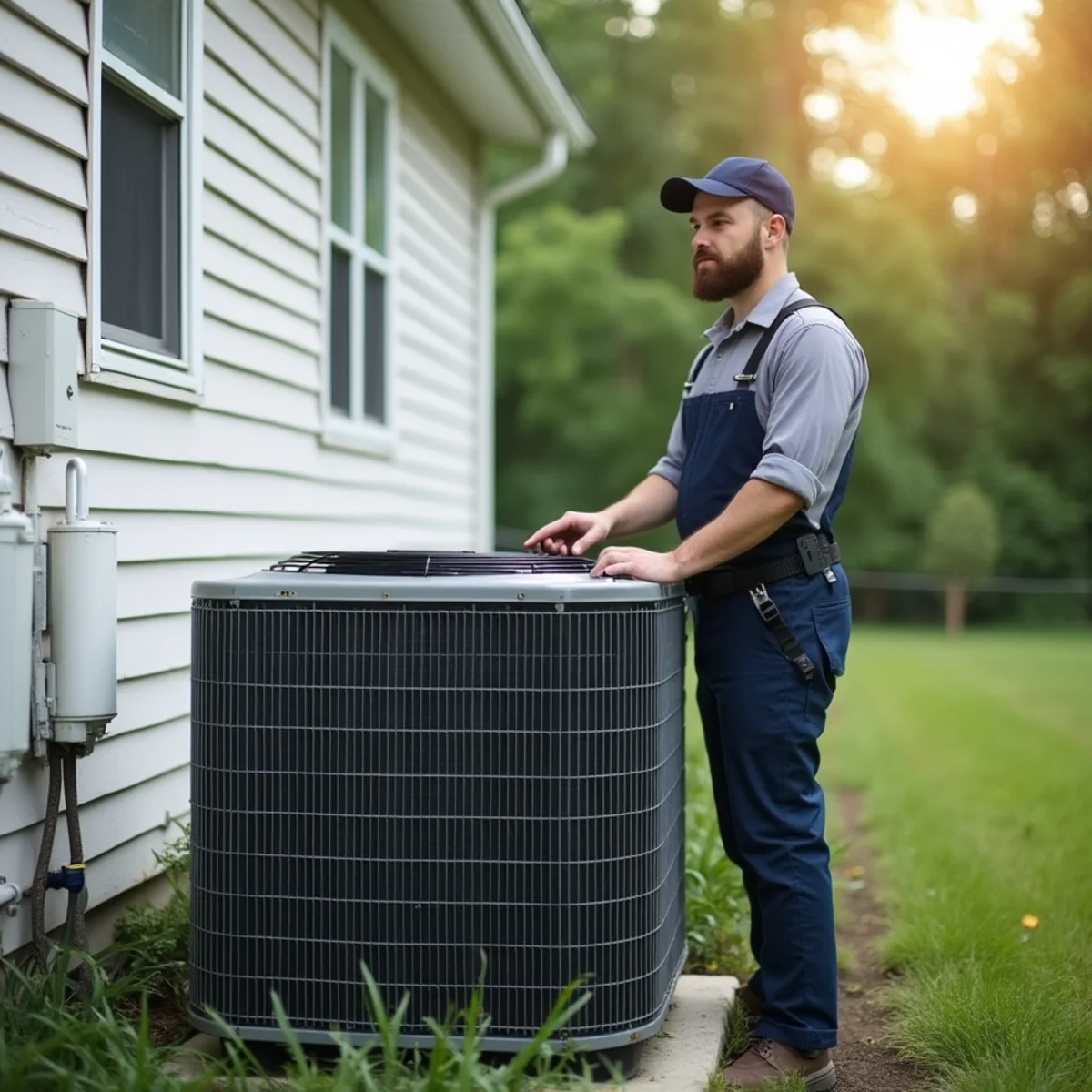
- Look at the condenser outside. Is the fan spinning? A unit that hums but doesn't spin often has a failed capacitor — a common, repairable part.
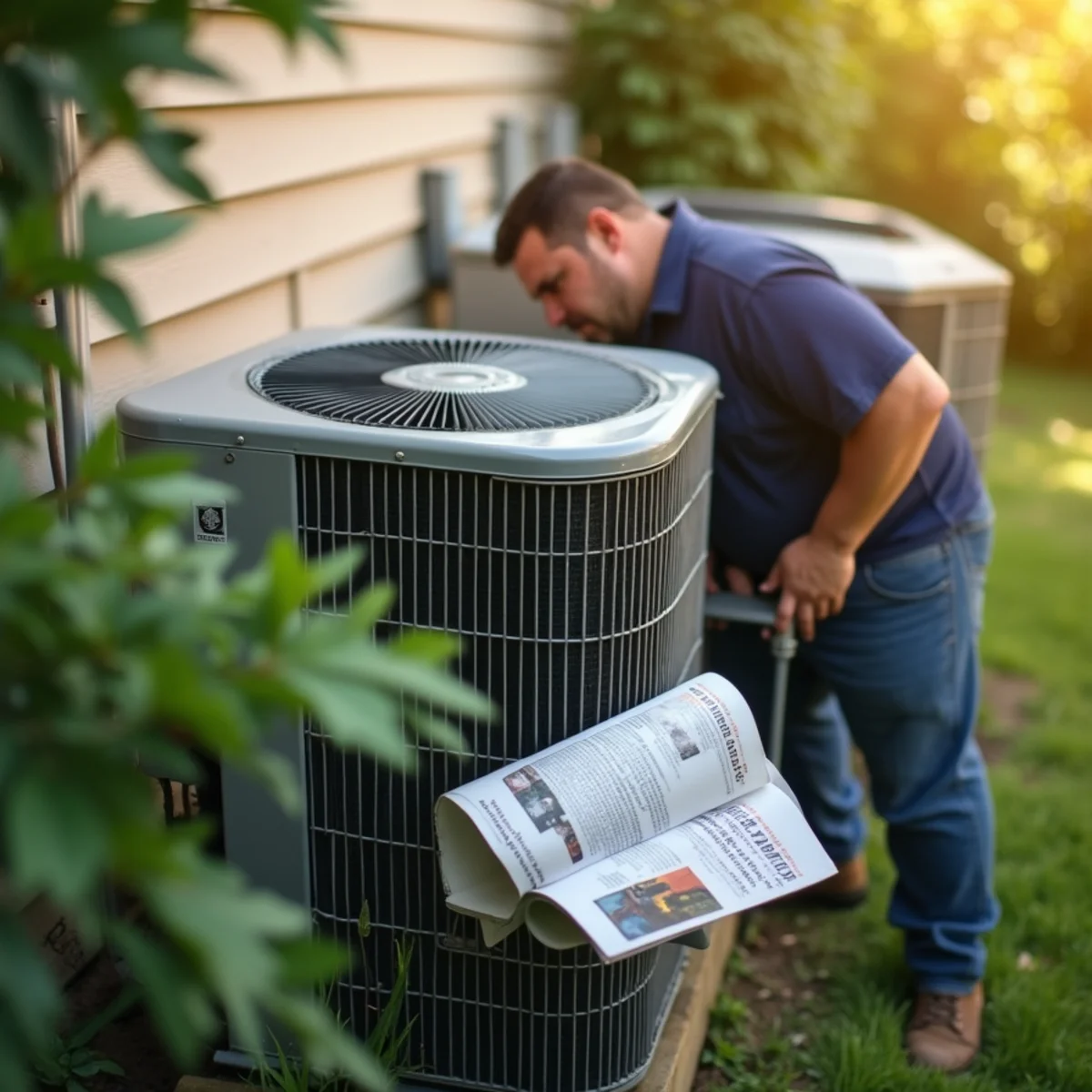
- Clear grass clippings, cottonwood fluff, and leaves from the fins. A smothered condenser can't dump heat and will shut down on high load.
- Make sure nothing is leaning against it and that it has clear space to breathe on all sides.
Step 5: Check the condensate drain
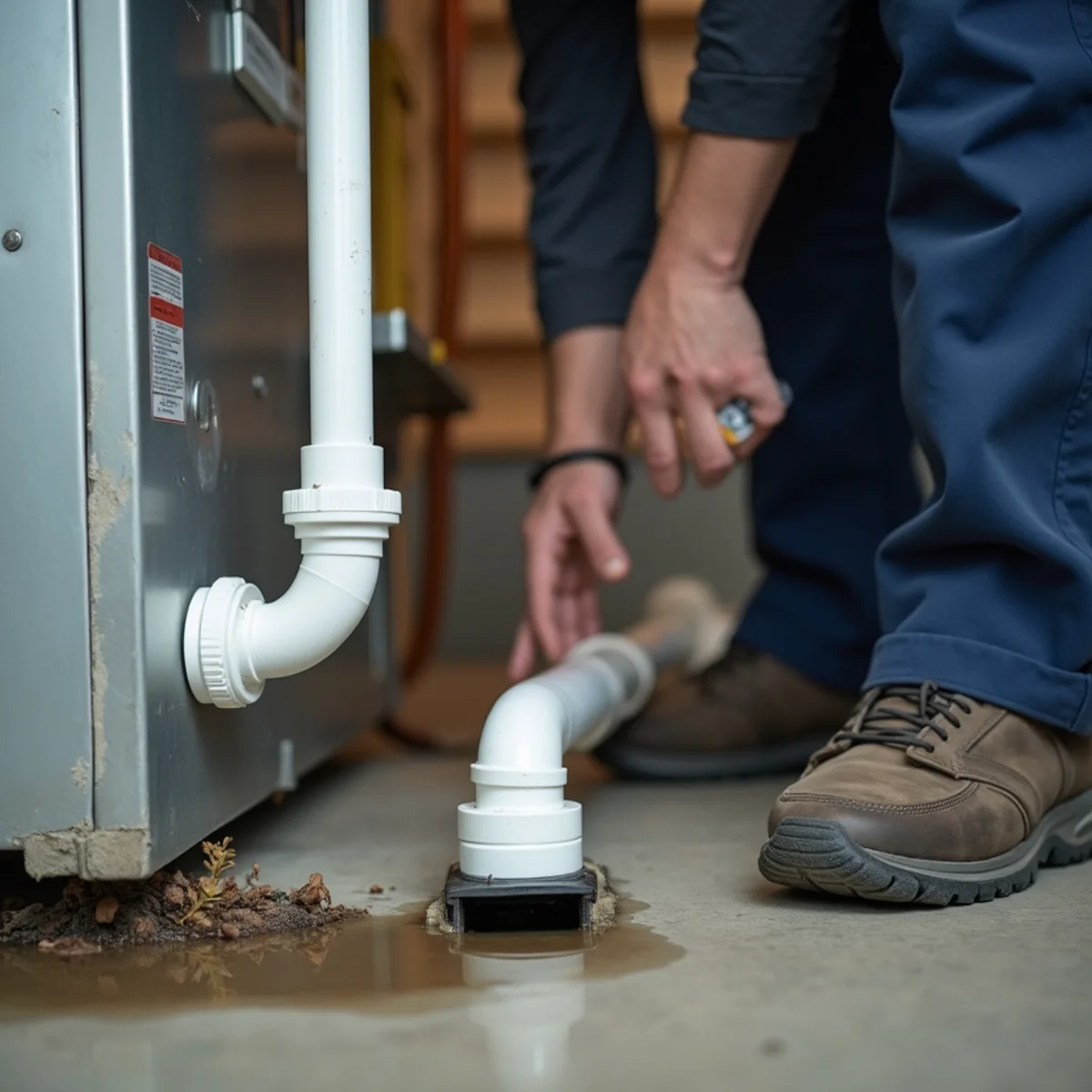
Many systems have a safety float switch that shuts the AC off when the condensate drain clogs and the pan fills — a built-in flood preventer. If your drain line is backed up (look for standing water near the indoor unit), clearing it may bring the system right back. If you're not comfortable doing that, it's a quick fix for a technician.
Still no cold air? Call — and stay cool meanwhile
If you've worked all five steps and the house is still heating up, it's time for emergency AC repair. The failures we see most on peak days are dead run capacitors, seized contactors, low refrigerant from a leak, and frozen coils — and we stock the common parts on the truck so most repairs happen in a single visit. A capacitor, for instance, is an inexpensive part that fails constantly in the heat and takes minutes to swap once we've confirmed it. Cooling emergencies are real emergencies here, so we prioritize them across the City and Town, including out toward Orange Lake where lakeside humidity makes a dead system especially miserable.
While you wait, close blinds on the sunny side of the house, shut off the oven and other heat-producing appliances, run exhaust fans to pull humidity out, and move air across the coolest lower level. If it's dangerously hot and you have vulnerable household members, don't tough it out — get to a cooler location and let us handle the repair. For a longer-term fix in a home the ductwork can't keep up with, a ductless mini-split adds targeted cooling exactly where you need it.
Most peak-season breakdowns trace back to a part that was already weakening in spring. A quick pre-season check catches a bulging capacitor or a low charge before the first heat wave — cheap insurance against the AC quitting on the worst afternoon of the summer.
AC down in the heat?
Don't sweat out a Newburgh heat wave. Call HVAC Newburgh NY at +1 (327) 210-5999 for same-day emergency AC repair across the City and Town.
HVAC Newburgh NY · 48 Carter St, Newburgh, NY 12550
Bottom line
On a humid Newburgh afternoon in the 90s, a dead AC turns clammy fast, but two quick checks fix a real share of calls. Confirm the thermostat is on COOL with fresh batteries, then reset each breaker — indoor air handler and outdoor condenser — once only. Check the filter and indoor coil: frost on the copper lines means you shut the system off and let it thaw for a few hours before running it again. Outside, look for a condenser fan that hums but will not spin (often a cheap, failing capacitor) and clear grass and leaves off the fins. If the drain line is backed up, a float switch may have shut the system down. Worked all of that and still no cold air? Call for emergency AC repair, and meanwhile close the sunny-side blinds, kill heat-making appliances, and get vulnerable household members somewhere cooler.
Step by step, in pictures


Frequently asked
Warm air with the fan running usually points to a refrigerant problem, a failed compressor, a bad capacitor, or a frozen indoor coil. Check for ice on the lines first — if you see it, shut the system off and let it thaw. If there's no ice, it likely needs a technician and possibly emergency AC repair.